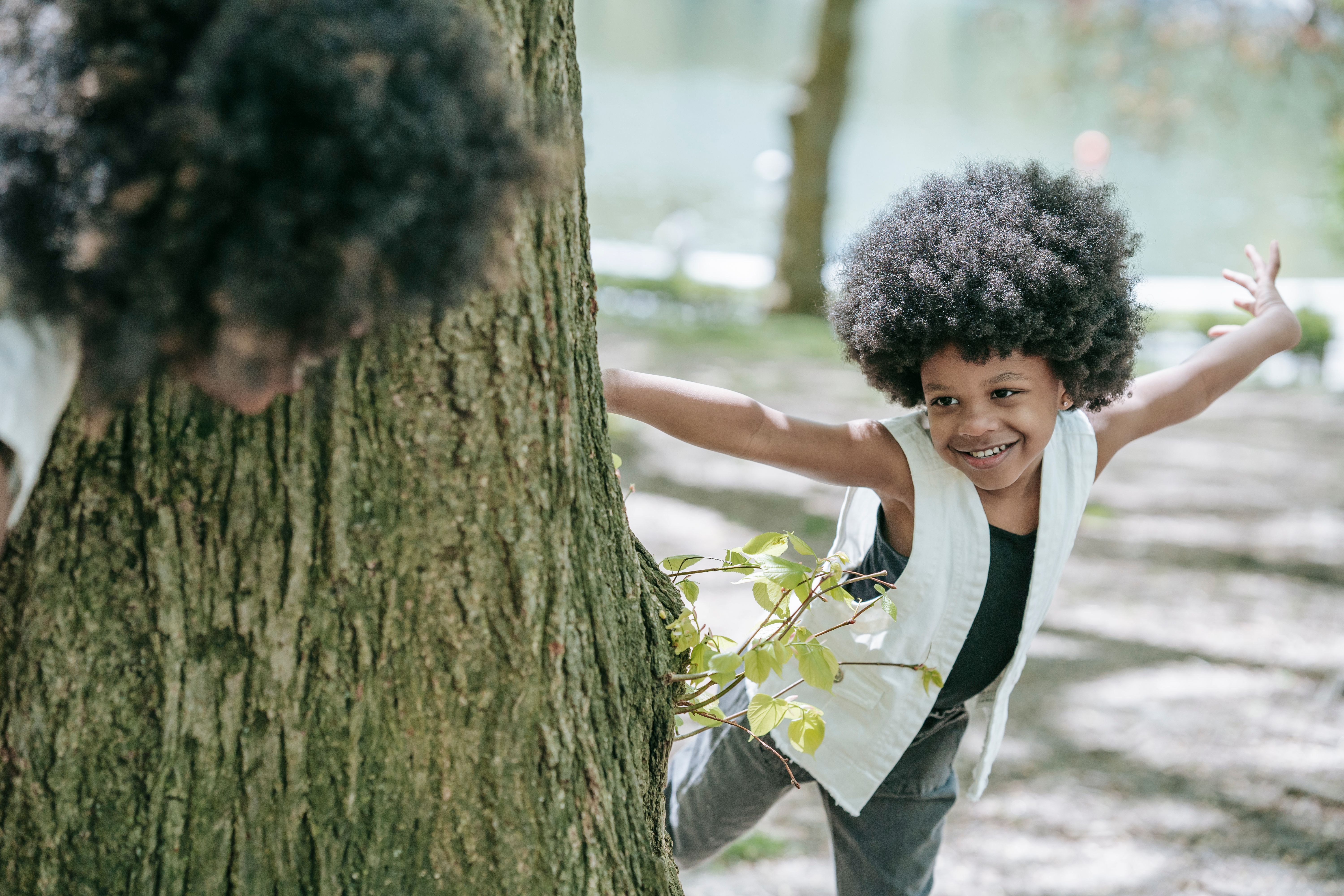

Less scrolling. More play.
There was a time when childhood was simple.
School finished. Bags were dropped by the front door. Bikes came out. Footballs appeared. Tree climbing, den building, imaginary worlds and games that somehow lasted until it got dark.
Nobody called it learning.
It was just called playing.
Today, childhood looks a little different. Schedules are busier. Screens compete for attention. Parents naturally worry about keeping up with homework, clubs and preparing children for the future.
But what if one of the most important things we can do for our children is also one of the simplest?
Let them play.
More than just fun
It’s easy to think of play as something children do once the important things are finished.
The truth is, play is one of the most important things.
According to a recent report from Play England and the Youth Sport Trust, play helps children develop physically, emotionally, socially and academically. Through play, children learn how to solve problems, build friendships, manage emotions, take sensible risks and develop confidence. These aren’t distractions from learning—they’re the foundations that help children learn in the first place.
Every game, every adventure and every made-up story teaches something.
The skills you can’t teach from a worksheet
When children organise a game of football, build a den or invent a treasure hunt, they’re constantly making decisions.
They’re negotiating rules.
Working together.
Being creative.
Learning resilience when things don’t go to plan.
Finding confidence by trying something new.
These are life skills that don’t always appear on a school report, but they’ll stay with children for years.
Children need three simple things
The report highlights three ingredients every child needs to enjoy meaningful play:
Time.
Children need enough free time without every minute being organised.
Space.
Whether it’s a park, a garden, a playground or simply a quiet corner, children need places where they can explore.
Acceptance.
Perhaps the most important of all.
Children need permission to play.
Permission to get muddy.
Permission to be noisy.
Permission to invent games that make absolutely no sense to adults.
Permission to simply be children.
Sometimes boredom is the beginning
As parents, it’s tempting to fill every quiet moment.
But boredom isn’t always something to fix.
Often it’s where imagination begins.
Given enough time, children almost always create something.
A game.
A challenge.
A story.
A new adventure.
The best childhood memories are rarely planned.
Childhood doesn’t need to be perfect
No parent gets everything right.
Some days there isn’t time.
Some days screens are simply the easiest option.
And that’s okay.
Childhood isn’t built on perfect days.
It’s built on moments.
An hour in the park.
A bike ride after tea.
A family kickabout.
A walk where sticks become swords and puddles become oceans.
Those moments matter more than we sometimes realise.
Our challenge
At Super Naturelly, we believe childhood should be filled with more moments like these.
That’s why we started Childhood. Unscreened.
Not because screens are the enemy.
But because childhood has so much more to offer beyond them.
Less scrolling.
More playing.
Because play isn’t time off from learning.
It is learning.
Inspired by the recent More Play, Better Learning report from Play England and the Youth Sport Trust, which highlights the vital role of play in children’s learning, wellbeing and development.
Fuel for Play
Discover our better-for-you treats designed for active kids.
Leave a Reply